Introduction
As we age, our bodies undergo countless changes — some visible, others working silently behind the scenes. One of the most significant yet overlooked transformations happens inside our blood vessels. Endothelial dysfunction aging causes treatment has become increasingly relevant for adults over 40, as the inner lining of arteries gradually loses its ability to function optimally. This condition doesn't announce itself loudly, but its effects ripple through nearly every system in your body, from your heart and brain to your muscles and reproductive health. Understanding why this happens and what you can do about it is essential for maintaining vitality and quality of life in your later years. The good news? Research shows that endothelial dysfunction is not inevitable, and many of the changes associated with aging can be slowed, stopped, or even reversed with the right approach.
What Is Endothelial Dysfunction and Why It Develops With Age
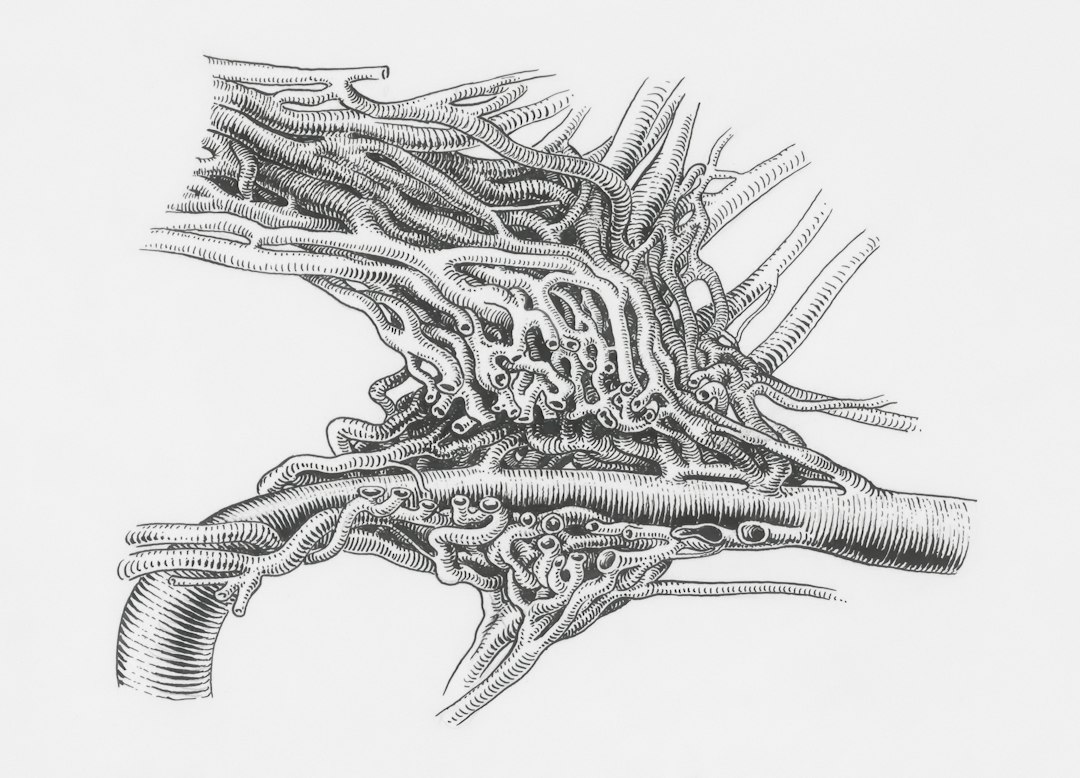
The endothelium is a thin layer of cells that lines the inside of your blood vessels. Think of it as the traffic controller of your circulatory system — it regulates blood flow, prevents clotting, controls inflammation, and produces a crucial molecule called nitric oxide that keeps arteries flexible and dilated. As we age, this delicate tissue begins to deteriorate through a combination of biological processes.
The primary culprit is oxidative stress — an imbalance between harmful free radicals and the body's ability to neutralize them. Over decades, free radicals accumulate from metabolism, environmental exposure, and inflammation, gradually damaging the endothelial cells. A 2020 study published in the American Journal of Physiology found that oxidative stress increases significantly after age 40, directly correlating with reduced nitric oxide production. Additionally, aging reduces the body's natural antioxidant defenses, particularly an enzyme called superoxide dismutase, leaving the endothelium more vulnerable.
Another key factor is chronic inflammation. As we age, the body enters a state of "inflammaging" — a persistent, low-grade inflammatory state. This inflammation damages endothelial cells and impairs their ability to produce nitric oxide. Aging also reduces the bioavailability of nitric oxide itself, meaning even if your body produces it, the molecule breaks down faster before it can do its job. Research from the Journal of Cardiovascular Pharmacology (2019) documented that endothelial dysfunction aging causes treatment pathways often trace back to this reduced nitric oxide signaling, making it central to understanding age-related vascular decline.
Recognizing the Signs and Symptoms
Unlike a broken bone or infection, endothelial dysfunction develops silently. Most people don't experience obvious symptoms until the condition has progressed significantly. However, several warning signs can alert you to emerging problems with your blood vessel health.
Early indicators often include reduced exercise capacity — you might notice you tire more easily during physical activity than you used to, or that recovery takes longer. Some people experience erectile dysfunction, which is often one of the first visible signs because penile tissues are particularly sensitive to reduced blood flow. High blood pressure is another common red flag, as damaged endothelial cells can't regulate vasodilation properly. Brain fog, difficulty concentrating, and increased susceptibility to fatigue can also indicate compromised blood flow to the brain.
More advanced symptoms include chest discomfort with exertion, shortness of breath, leg pain or cramping during walking (claudication), and cold extremities. Some people report numbness or tingling in their fingers and toes due to reduced blood flow to peripheral tissues. Skin changes — such as reduced elasticity, slower wound healing, and a tendency toward bruising — can reflect systemic vascular problems. A 2018 study in Circulation Research noted that endothelial dysfunction precedes most cardiovascular events by 5-10 years, suggesting that recognizing early symptoms is crucial for prevention. The challenge is that many of these symptoms are subtle enough that people attribute them to normal aging rather than an addressable medical condition.
How Endothelial Dysfunction Impacts Daily Life and Long-Term Health
The consequences of endothelial dysfunction aging causes treatment extend far beyond occasional fatigue or reduced athletic performance. When your endothelium isn't functioning properly, blood flow to every tissue in your body becomes compromised, triggering a cascade of health problems that significantly affect quality of life.
Cardiovascular disease is the most serious long-term consequence. Damaged endothelial cells can't prevent plaque buildup in arteries, and reduced nitric oxide production means arteries lose their flexibility, leading to hypertension and increased heart attack and stroke risk. Cognitive function suffers as blood flow to the brain diminishes, potentially accelerating memory loss and increasing dementia risk — some researchers now consider endothelial dysfunction a root cause of age-related cognitive decline. Sexual function declines due to impaired blood flow in reproductive tissues. Muscle quality deteriorates when nutrients and oxygen delivery is insufficient, contributing to sarcopenia (age-related muscle loss). Even your immune system weakens, as endothelial cells play a role in immune cell trafficking and inflammatory regulation.
Perhaps most frustratingly, these changes create a vicious cycle: reduced mobility leads to less exercise, which worsens endothelial function, which further reduces your ability to exercise. For many adults over 40, this downward spiral represents a significant loss of independence and enjoyment in life.
Natural Approaches and Lifestyle Modifications
The encouraging news is that lifestyle modifications can meaningfully reverse endothelial dysfunction aging causes treatment pathways. The most powerful intervention is exercise. Regular aerobic activity — even moderate-intensity walking for 30 minutes most days — stimulates the endothelium to produce more nitric oxide and improves blood vessel function. A landmark 2017 study in the Journal of Applied Physiology demonstrated that sedentary adults who began a consistent exercise program showed measurable improvements in endothelial function within 4-6 weeks.
Stress reduction is equally important. Chronic psychological stress elevates cortisol and other inflammatory hormones that damage the endothelium. Practices like meditation, deep breathing, and yoga have been shown to improve endothelial function independently of weight loss or exercise. Sleep quality matters too — poor sleep increases oxidative stress and inflammation. Aim for 7-9 hours of consistent, quality sleep per night.
Managing blood sugar is critical. Elevated glucose damages endothelial cells and impairs nitric oxide production. Even if you don't have diabetes, maintaining stable blood sugar through balanced meals prevents endothelial deterioration. Smoking cessation is non-negotiable — smoking directly damages endothelial cells and depletes nitric oxide within minutes of inhalation. Weight management helps because excess body fat, particularly visceral fat, produces inflammatory compounds that attack blood vessel linings. This is why many adults turn to targeted cardiovascular support formulas — Nitric Boost Ultra combines nutrients specifically linked to endothelial health, which can complement lifestyle changes when optimization through diet alone is challenging.
Key Nutrients and Dietary Approaches
Nutrition plays a foundational role in reversing endothelial dysfunction. Certain foods and nutrients directly support nitric oxide production and protect against oxidative damage.
Leafy greens and beets are among the most powerful foods for endothelial health. They're rich in dietary nitrates, which the body converts to nitric oxide. Research published in Hypertension (2015) showed that people who consumed nitrate-rich vegetables showed improved blood vessel function within hours. Berries — particularly blueberries and strawberries — contain anthocyanins and other polyphenols that reduce oxidative stress. A 2019 study found that daily berry consumption improved endothelial function in adults over 50.
Dark chocolate containing at least 70% cacao contains flavonoids that improve blood flow. Fish rich in omega-3 fatty acids (salmon, sardines, mackerel) reduce inflammation and improve endothelial function. Garlic and onions contain sulfur compounds and quercetin that support vascular health.
Specific micronutrients are critical. L-arginine and L-citrulline are amino acids that serve as precursors to nitric oxide production. Folate (B9), B6, and B12 regulate homocysteine levels — elevated homocysteine damages the endothelium, and B vitamins reduce it. Magnesium helps blood vessels relax and dilate. Antioxidant vitamins — particularly vitamin C and vitamin E — protect nitric oxide from oxidative degradation. A Mediterranean-style diet emphasizing these foods and nutrients has been extensively studied and shown to reverse many markers of endothelial dysfunction in aging adults.
Frequently Asked Questions
Q: Can endothelial dysfunction be completely reversed?
A: Complete reversal depends on how advanced the dysfunction is, but significant improvement is possible at any age. Research shows that lifestyle changes can restore endothelial function by 30-50% within 3-6 months. Advanced atherosclerosis or severe vascular damage may not fully reverse, but the progression can be stopped and many functional improvements achieved through consistent effort.
Q: How quickly will I notice improvements after making lifestyle changes?
A: Some benefits appear within days — blood pressure may drop, energy might increase. However, structural improvements in endothelial function typically take 4-8 weeks of consistent effort. Don't expect overnight transformation; think of it as a gradual restoration of your vascular system.
Q: Is it too late to address endothelial dysfunction if I'm already in my 60s or 70s?
A: Absolutely not. Studies show that even people in their 70s and 80s experience significant improvements in endothelial function with lifestyle modifications. Your age determines your starting point, not your potential for improvement. The sooner you start, the better, but it's never truly too late.
Moving Forward With Your Vascular Health
Endothelial dysfunction is a progressive condition, but it's also largely preventable and reversible. By understanding the mechanisms — oxidative stress, chronic inflammation, and reduced nitric oxide production — you can target interventions that actually address root causes rather than merely managing symptoms. Exercise, stress management, quality sleep, a nutrient-dense diet, and weight management form the foundation of any approach to reversing endothelial aging.
The research is clear: the adults who maintain the best cardiovascular and cognitive function into their 70s, 80s, and beyond are those who actively manage their endothelial health through these lifestyle factors. Your blood vessels are constantly adapting to the demands you place on them and the nutrition you provide. They deserve your attention.
If you're concerned about your vascular health and want to ensure you're getting optimal levels of the nutrients most important for endothelial function, explore Nitric Boost Ultra to see the full ingredient profile and research. This supplement is specifically formulated around the nutritional factors covered throughout this article, making it a practical option for those looking to complement their lifestyle changes with targeted support.