Introduction
Healthy blood flow is the foundation of vitality, yet many adults over 40 don't realize their circulation may be compromised until symptoms appear. Your cardiovascular system delivers oxygen and nutrients to every cell in your body—and when blood flow slows, energy dips, cognition suffers, and physical performance declines. The good news is that how to improve blood flow naturally using foods and lifestyle adjustments is entirely within your control. This article explores science-backed strategies to enhance circulation without relying on pharmaceutical interventions. Whether you're experiencing fatigue, brain fog, or reduced stamina, understanding the mechanisms of blood flow and the natural interventions that support it can transform your health trajectory.
Understanding Blood Flow and Circulation: The Biology Behind Movement
Blood flow refers to the movement of blood through your arteries, veins, and capillaries—a process controlled by your heart, blood vessel elasticity, and the body's ability to produce nitric oxide, a critical signaling molecule. Nitric oxide helps blood vessels relax and dilate, reducing resistance and allowing blood to move more freely. As we age, nitric oxide production naturally declines, which is why circulatory issues become more common after 40.
Several factors influence blood flow quality: vessel wall thickness and flexibility, blood viscosity (thickness), heart strength, and endothelial function—the health of the cells lining your blood vessels. When endothelial cells are damaged by inflammation, oxidative stress, or prolonged poor diet, they produce less nitric oxide and vessels become stiffer and narrower. This restricts blood movement and reduces oxygen delivery to tissues.
Poor circulation doesn't happen overnight. It's typically the result of years of dietary choices, sedentary habits, and accumulated metabolic stress. However, unlike some age-related changes, circulation can be meaningfully improved through natural interventions. Research consistently shows that specific foods, regular movement, stress management, and targeted lifestyle habits can restore endothelial function and boost nitric oxide production within weeks to months. Understanding this biology helps explain why certain interventions work and why consistency matters more than perfection.
Common Signs and Symptoms of Reduced Blood Flow
Recognizing the early warning signs of poor circulation allows you to intervene before serious complications develop. The symptoms often appear gradually, which is why many people dismiss them as normal aging rather than a fixable health issue.
Physical symptoms include cold hands and feet (even in warm environments), numbness or tingling in extremities, muscle cramps during or after exercise, and slow wound healing. You might notice your legs feel heavy or tired, or that walking upstairs leaves you breathless sooner than it used to. Varicose veins—visible, enlarged veins—are another common sign of compromised circulation.
Cognitive and energy-related symptoms are equally important. Reduced blood flow to the brain contributes to brain fog, difficulty concentrating, memory lapses, and persistent fatigue despite adequate sleep. Some people report mood changes, irritability, or depression linked to poor cerebral circulation. Sexual dysfunction in both men and women is another indicator, since healthy erectile and sexual response depends entirely on proper blood flow to genital tissues.
Skin and appearance changes also signal circulatory issues. Poor circulation can cause pale or bluish-tinged skin, varicose veins, and slower skin healing. You might notice your hair grows more slowly or becomes thinner, since hair follicles depend on nutrient-rich blood delivery.
If you're experiencing multiple symptoms from different categories, it's worth having a conversation with your healthcare provider. However, many of these symptoms respond remarkably well to natural interventions focused on how to improve blood flow naturally through foods and lifestyle changes, often improving within 4-8 weeks of consistent effort.
How Poor Blood Flow Affects Quality of Life
Living with compromised circulation impacts far more than physical health—it affects your independence, confidence, and daily enjoyment of life. Many adults over 40 resign themselves to declining energy and assume it's simply part of aging, without realizing that improved blood flow could restore much of their vitality.
Reduced stamina limits activities you once enjoyed. Hiking, playing with grandchildren, gardening, or dancing become exhausting or painful. Work performance suffers when brain fog and fatigue make concentration difficult. Social withdrawal often follows as fatigue and reduced confidence combine. The cascade extends to mental health: chronic fatigue and reduced physical capability frequently contribute to depression and anxiety.
Poor circulation also accelerates cognitive decline. The brain uses about 20% of your body's oxygen supply, so even modest reductions in cerebral blood flow impair memory, processing speed, and decision-making. Over time, this can increase dementia risk. Additionally, slow wound healing means even minor cuts or injuries become concerning, and reduced immunity from poor nutrient delivery means infections linger longer.
The financial impact is real too. Circulatory problems often lead to increased medical visits, medication expenses, and reduced work capacity. Perhaps most importantly, they erode the independence and quality of life most people value in their later decades. The good news is that these impacts are largely reversible through consistent dietary and lifestyle changes.
Natural Habits and Lifestyle Strategies to Boost Circulation
Regular physical movement is perhaps the single most powerful intervention for improving blood flow. Exercise trains your cardiovascular system to work more efficiently and stimulates nitric oxide production in endothelial cells. You don't need intense workouts—consistent, moderate activity works remarkably well. Aim for 150 minutes of moderate aerobic activity weekly (brisk walking, swimming, cycling) plus two sessions of resistance training. Even 10-minute walking breaks throughout your day improve circulation significantly.
Stress management deserves equal emphasis. Chronic stress elevates cortisol and adrenaline, which constrict blood vessels and impair endothelial function. Practices like meditation, deep breathing, yoga, or time in nature genuinely improve blood flow. A 2019 study in the Journal of the American Heart Association found that just 15 minutes daily of meditation reduced arterial stiffness measurably within eight weeks.
Sleep quality supports vascular health directly. During deep sleep, your body repairs endothelial cells and clears metabolic waste from tissues. Poor sleep increases inflammation and oxidative stress, both of which damage blood vessels. Aim for 7-9 hours nightly, maintaining consistent sleep-wake times even on weekends.
Hydration matters more than most people realize. Dehydration thickens blood and increases viscosity, forcing your heart to work harder to pump it. Simply drinking adequate water throughout the day improves blood flow significantly. Most adults should aim for 8-10 glasses daily, more if exercising or in hot climates.
Temperature exposure can boost circulation too. Alternating hot and cold water during showers (contrast hydrotherapy) trains blood vessels to dilate and constrict, improving their responsiveness. Even sauna use shows cardiovascular benefits in research, though discuss this with your doctor if you have heart conditions.
Smoking cessation is non-negotiable—smoking damages endothelial cells and reduces nitric oxide availability within minutes of inhalation. If you smoke, quitting offers the fastest circulatory improvement possible.
Foods and Nutrients That Improve Blood Flow Naturally
How to improve blood flow naturally using foods centers on nutrients that support nitric oxide production, reduce inflammation, and improve endothelial function. Understanding which foods deliver these benefits helps you build a dietary strategy that works long-term.
Nitrate-rich vegetables are foundational. Beets, arugula, spinach, and kale contain dietary nitrates that convert to nitric oxide in your bloodstream. A 2015 study in the American Journal of Clinical Nutrition found that regular beet juice consumption improved blood flow and reduced blood pressure within just two weeks. Aim to include a serving of leafy greens or beets daily.
Flavonoid-rich foods combat oxidative stress and support endothelial health. Dark chocolate (70% cacao or higher), berries (blueberries, strawberries, blackberries), and red grapes contain powerful flavonoids. Research shows that chocolate flavonoids improve blood vessel dilation and reduce blood pressure. A small portion—30 grams—of dark chocolate daily provides meaningful benefits.
Omega-3 fatty acids reduce inflammation and improve blood flow. Fatty fish (salmon, mackerel, sardines) contain EPA and DHA, which thin blood slightly and reduce clotting risk. Plant sources like flaxseeds, chia seeds, and walnuts provide ALA omega-3s. Aim for fatty fish 2-3 times weekly or supplement consistently if you don't eat fish.
Garlic and onions contain allicin and quercetin, compounds that improve blood flow and reduce blood pressure. Fresh garlic offers the most benefit—a clove or two daily in cooking provides measurable cardiovascular support.
Vitamin C sources support collagen formation in blood vessel walls and reduce oxidative stress. Citrus fruits, bell peppers, kiwis, and papaya deliver abundant vitamin C. Aim for 200-500 mg daily from food sources.
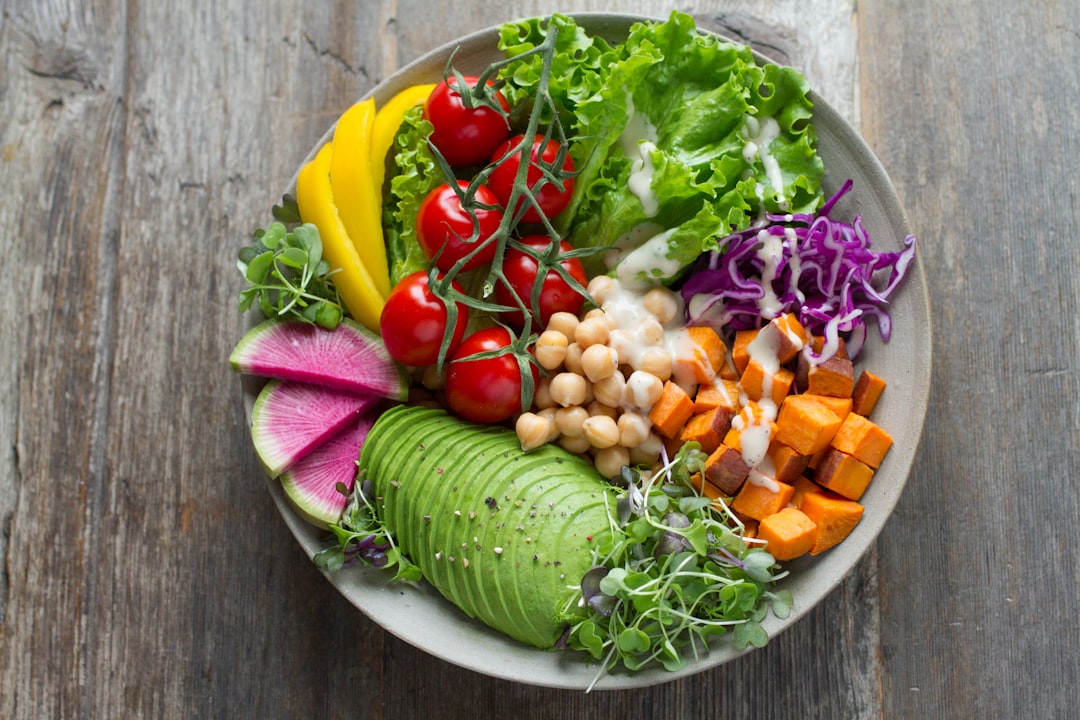
L-arginine and L-citrulline sources are amino acids that convert to nitric oxide. These appear in pumpkin seeds, watermelon, chickpeas, and nuts. Watermelon is particularly notable—the citrulline in watermelon flesh converts to arginine and then nitric oxide. This is why many natural approaches to circulation specifically recommend watermelon.
When lifestyle and dietary changes alone feel insufficient, supplements formulated to support nitric oxide production and blood vessel health may complement your natural strategy. The key is consistency: these foods work synergistically when incorporated into your regular diet rather than eaten sporadically.
Frequently Asked Questions
How long does it take to see improvements in blood flow from dietary changes?
Most people notice measurable improvements within 2-4 weeks of consistent dietary changes and regular exercise. Some benefits appear within days—beet juice, for instance, improves blood flow within hours of consumption. However, fundamental improvements in endothelial function and sustained nitric oxide production typically require 8-12 weeks of consistent effort. Patience and consistency matter far more than perfection.
Can I improve blood flow at any age, or is it too late after 60 or 70?
The endothelium retains remarkable capacity to repair and improve at any age. Studies show that people in their 70s and 80s achieve significant circulatory improvements through lifestyle changes. Your age is not a barrier—consistency and commitment are what matter. One 2018 study in Circulation found that even 12 weeks of improved diet and exercise substantially reversed age-related arterial stiffness in older adults.
Are there any foods or habits I should avoid to protect blood flow?
Absolutely. Avoid trans fats, refined sugar, and excessive sodium—all damage endothelial function. Ultra-processed foods contribute to chronic inflammation. Excessive alcohol impairs circulation despite some claims about red wine. Prolonged sitting and sedentary behavior are perhaps most damaging, as they reduce nitric oxide production significantly. Even breaking up sitting with movement every 30 minutes helps tremendously.
Taking Action on Natural Blood Flow Improvement
Poor circulation doesn't need to be a permanent part of aging. The strategies outlined in this article—regular movement, stress management, quality sleep, and a diet rich in nitrate-containing vegetables, flavonoids, and omega-3 fats—represent the evidence-backed foundation for naturally improving blood flow. Start with one or two changes rather than attempting everything at once. Adding a daily walk and incorporating beets or berries into your routine creates momentum. Build gradually, and you'll likely find that improved energy and reduced brain fog provide powerful motivation to maintain these habits.
If you're committed to natural strategies but want additional nutritional support, Nitric Boost Ultra is formulated specifically to support the nitric oxide production and nutrient factors covered in this article. Many people find that combining dietary improvements with targeted supplementation accelerates results. Visit the main site to explore the full ingredient breakdown and understand whether it aligns with your health goals.